Hi folks,
I haven’t blogged for a while so here goes!!!
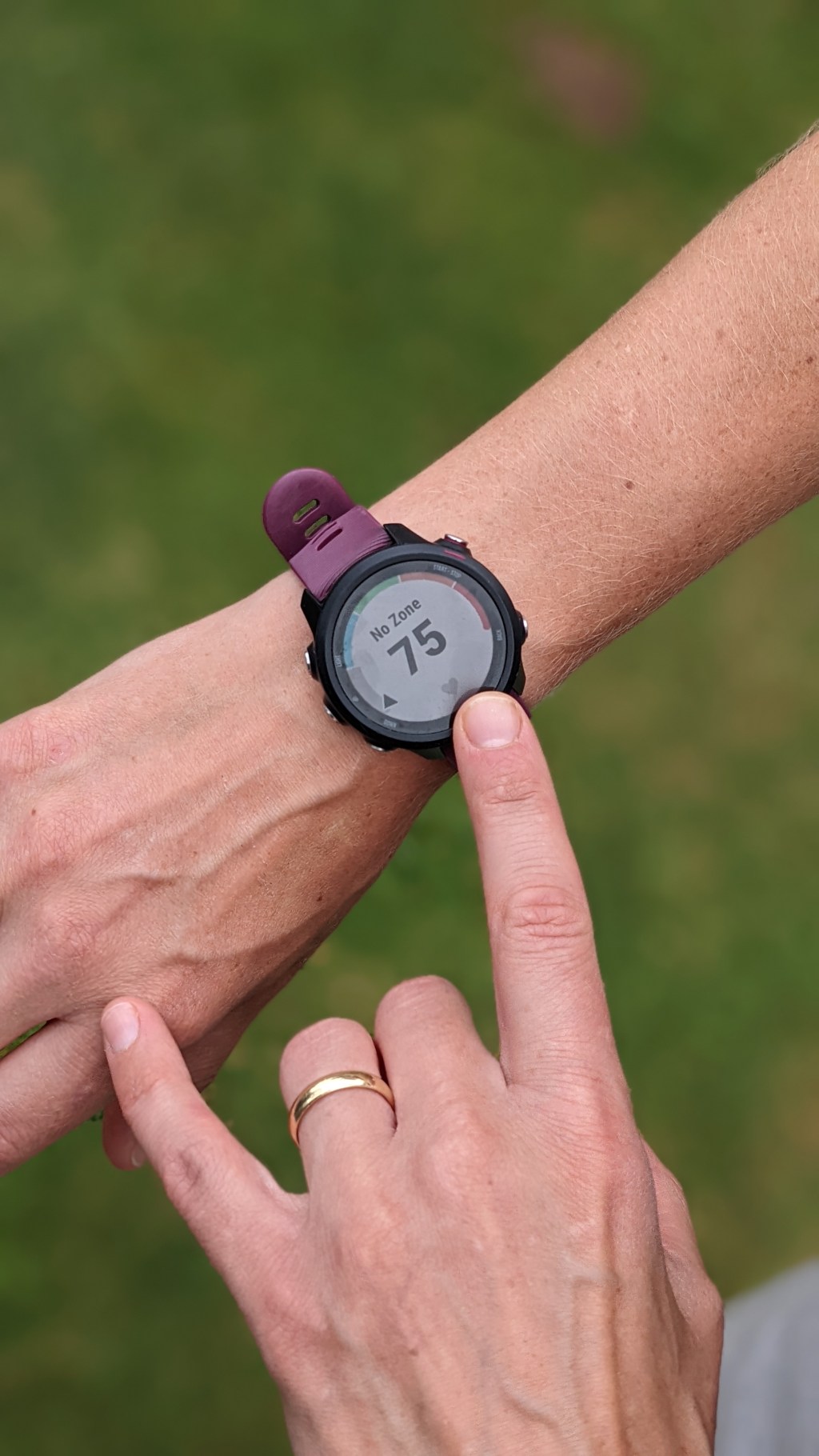
Many of my athletes follow a combined pace target and heart rate target approach to their training. Including myself, I am really relishing seeing these ‘improvements over time’.
My belief, like others, are that continued HR testing is a powerful measure of progress.
Also, recovering to HR allows us to focus on only one factor and let the rest follow suit.
So, at the start of many of my athletes plans I ask them to perform some relatively straightforward tests to uncover their threshold HR. That is a HR they could sustain for 30-40 minutes of running. This value then prescribes what they should go by for recovery runs and aerobic runs.
Over a series of weeks or depending upon their goal, athletes go away, and we look to improve upon their fitness with one of these elements being threshold HR.
So, we stress it. We perform intervals that go beyond threshold for short periods, we hover under and over throughout the course of a session, we become efficient at running at lower HR. Hereby, creating mini stresses that ultimately improve recovery, strength, stamina, speed, and the ability for pulses of our heart to push more oxygenated blood to our muscles. As all these things improve, our heart doesn’t have to beat as many times per minute for the same effect (pace).
We then go back, run at the same threshold HR as recorded in the previous test and see our equivalent paces fall. I love to see these drop in numbers and athletes thrive on this too. Confidence is gained and we go again. Adding more intense mini stresses or a higher quantity of mini stresses again dependant on our goal.
Recovery runs may in turn have lower bpm targets, because of our increased efficiency, paces will improve, and we will be able to repeat sessions from previous with more ease, hence adding extra intensity/decreased recovery or more reps when required.
This principle works for the racers among the group and the athletes wishing to improve in their fitness.
Another value of using HR focused runs is that factors such as tiredness, heat, dehydration, and stress are neutralised as we focus solely on keeping within the bpm targets.
My 45-minute sleep deprived run at 6am this morning vs my 45 minutes 4:30pm run in the blistering heat ended up matching in pace to HR targets despite the change in circumstances. This is not always the case, and some runs can end up being remarkable quicker or slower depending on external factors. If then I try and match pace it would mean I end up stressing my body on a recovery run and I am not ready to go hard when the stress session come round.
If you need any advice or would like to get involved in Run 4 U group runs or training plans, please give me a bell.
 Run 4 U and Perform
Leave a comment