Periodising the training to peak for a race or series of races is what separates your generic downloadable plans to an individualistic and tailored strategy. I recognise over and over again how integral it is to understand how everyone is different. Individuals responds differently to a given stimulus a session places on their body and rates of progression vary enormously between athletes.
I had an athlete say to me the other month, “that session felt amazing, this week I have felt in the form of my life”. Whilst I did not suppress their enthusiasm and we looked at this with loads of positives, I knew this athlete was around 1-2 weeks away from peaking. Looking carefully at the data extracted from run sessions confirmed this and the dilemma was that their “10k A race” was still 6 weeks away. So, although this provided some useful data and gave the athlete some good confidence, my planning had to adapt to make sure we ‘delayed’ the peak for a while longer yet.
You may be asking why? The research suggests that an athlete can only hold his or her peak for for around 1-2 weeks depending on the intensity of the build. Although we had a good 14 week build off a solid 8–10 week aerobic base building period, by peaking too soon, the likelihood was the athlete was not going to be at the absolute personal best shape for the race. Additional to this, it may have meant with the stress of the races the athlete would develop too much accumulated fatigue and need a forced recovery period, not to mention the risks associated with over-training.
So, what did I do? To start with, we threw in some hills reps for the next week. Hills on moderate gradients are ace at taking the demand and stress off the joints whilst holding athletes back from race pace. The hills recruit the largest amount of muscle fibres so may also offer some fatigue to the athlete, which at this moment is good as we were not wanting that peak just yet.
I made sure we back tracked on the tempos a tad. We were not up at race distance volume yet, but we dialed back on pace and durations of broken or full tempos so we were not over stimulating the threshold heart rate values as well as taking the mental pressure away that comes from running close to race pace week after week.
I increased the long run by a few miles as well as completing them at easy, progressive, alternating pace at under threshold and with shorter and less pacey pickups, again mostly over hilly terrain.
The training was not made easier, the specifics and demands of the 10k were temporarily removed. So being at or around threshold for long periods of time was less useful. But competing an extra strength and conditioning session with greater emphasis on running efficiency in sessions was key.
We also did some more blended sessions mixing up tempos, hills, strides with longer warm up and cool downs so as again not to fully display the specifics of the 10k.
This worked well and because of the open communication I have with the athlete and weekly analysis of data we had been able to recognise the signs of peaking too soon. Signs such as, their matched heart rate for tempo runs was lower, their pace was higher for threshold, their recovery rate was higher and at a training session they attended they looked lean.
Whilst I never primarily aim to regress an athlete that is in peak form, for this moment the plateau and foot off the gas was the exact right thing to do. The athlete smashed their PB come race day taking 33 seconds off their all time best. They completed another 10k two weeks later again taking another 2 seconds off their new PB. At a 5k a further one week later they were 4 seconds out from their lifetime PB. The athlete also managed a further specifics phase of training towards a half marathon, peaking at just the right time again to break another barrier at this distance. This then marked the end of this macro-cycle. Once again, I required the athlete to take their foot of the gas, have a period of much needed ‘off time’ so they were ready to build for the next season of races, focusing on any weaknesses we had seen from before.

The importance of having a training cycle to match you as an athlete is huge. From getting fit goals to reaching PB goals. Progression isn’t linear and blocks of training must progress, adapt, plateau, progress again, and occasionally as talked about here, even regress.
Illness can strike at any time and not knowing how to get back into training or even how this has affected your build up can be at a detriment to your overall goal. By careful analysis of data, a coach can spot where you are on the performance curve and make sure subsequent training matches where you are.
If you have a goal of any kind and want to be in the best shape possible, please get in touch to let me help you reach your true potential.
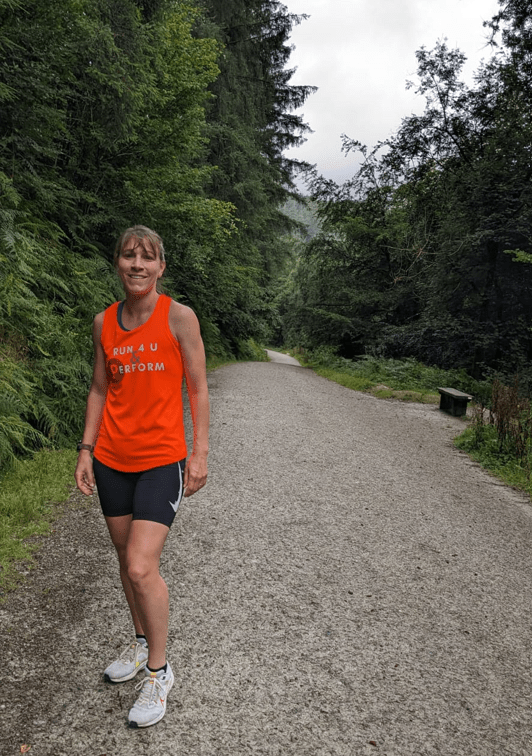
 Run 4 U and Perform
Leave a comment